
The Let Them Theory: Freedom from Codependency
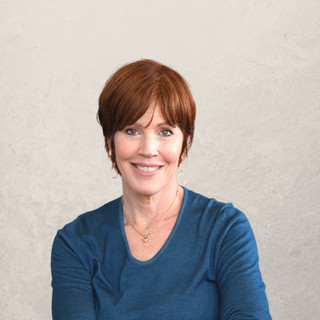
Mel Robbins' The Let Them Theory has been making waves, with Oprah herself raving about its powerful yet simple message: Let them. Let other people live their lives, make their choices, have their opinions, because when we stop trying to control others, we reclaim our own lives. For those of us who have struggled with codependency, this message is nothing short of revolutionary.

In many ways, The Let Them Theory echoes the wisdom of the 12-step programs like Al-Anon, which supports those affected by the behaviors of others. The first step in Al-Anon is: “We admitted we were powerless over alcohol (or other people) and that our lives had become unmanageable.” At first glance, it may seem simple, but its depth is profound. Admitting that we cannot control another person, whether it’s their choices, emotions, or actions, is not a surrender to hopelessness, but rather a gateway to personal freedom.
When I first truly understood this concept, it was as if a massive weight had been lifted from my shoulders. I had spent so much of my life wrapped up in the emotions, habits, and struggles of others, believing that if I just tried hard enough, I could change them. Realizing that I was allowed to live my own life, to focus on my well-being, my happiness, was a revelation.
One of the most damaging aspects of codependency is how we absorb another person’s emotions as if they were our own. Their bad mood becomes our bad mood. Their addiction, illness, or struggles dictate our daily existence. We lose ourselves entirely in the process. But The Let Them Theory offers a way out: we simply let them be who they are and redirect our energy back to ourselves.
What makes Robbins' message so effective is how she communicates this idea in a modern, accessible way, free of the spiritual or higher power component that is central to 12-step programs. While some find great comfort in spirituality, others may resonate more with Robbins’ straightforward, practical approach. It reaches a broader audience while carrying the same fundamental truth: we are powerless over other people, but we have immense power over ourselves.
Another powerful takeaway from the book is how The Let Them Theory liberates us from worrying about what others think. Robbins points out that we have around 70,000 thoughts per day, and we don’t even control our own thoughts—so how could we possibly control someone else’s? The answer is simple: we can’t. So why waste energy trying? By embracing this mindset, we free ourselves to follow our dreams, take action, and step into the arena of life instead of standing on the sidelines. We stop seeking approval, and instead, we learn to trust ourselves. We let others live their lives, and in doing so, we finally reclaim our own.
For anyone struggling with codependency, The Let Them Theory is a must-read. It’s a reminder that we don’t have to carry the weight of other people’s emotions, choices, or judgments. We are free to live our lives fully, unapologetically, and with a sense of peace we may not have known before. Yet, as a longtime member of the 12-step movement for codependency, I firmly believe that the surest way to reclaim one’s life from codependency
is through a 12-step program, with our higher power, however we choose to define it, by our side. With that guidance, we find the strength to let go, heal, and finally live our own life.


Kommentarer